
7 Koso Drink Benefits That Explain Japan's Best-Kept Wellness Secret
· Maison Perrin · 18 min read
The koso drink has been a daily wellness ritual in Japan for over a century. Most of the Western world has never heard of it.
That is starting to change. As gut health moves from fringe topic to front page, fermented drinks are getting a serious second look. Kombucha had its moment. Kefir found its audience. But koso — a concentrated enzyme drink made from 100+ fermented fruits, vegetables, and plants — delivers something none of them do: probiotics, prebiotics, and postbiotics in a single sip.
Here are seven reasons it deserves a place in your morning routine.
What a Koso Drink Actually Is
Koso is a Japanese word that translates to "enzyme" or "ferment." A koso drink is a concentrated syrup made by fermenting whole fruits, vegetables, seaweeds, and mushrooms — often more than 100 different ingredients — for up to a full year.
The tradition dates back roughly a century in Japan. Long before anyone used the word "postbiotic," Japanese households were making koso at home as a seasonal tonic. Today, it is popular among health-conscious consumers in Japan, particularly those who practise intermittent fasting or periodic cleanses.

The finished product is a thick, dark syrup with a sweet-tart flavour — somewhere between a Japanese plum wine and a concentrated fruit vinegar. You dilute it with still or sparkling water before drinking.
If you want to try it without making your own, R's KOSO Japanese Postbiotic Drink is one of the most widely available commercial options. It uses over 100 plant-based ingredients fermented for a full year.

How Koso Is Made From Over 100 Whole Ingredients
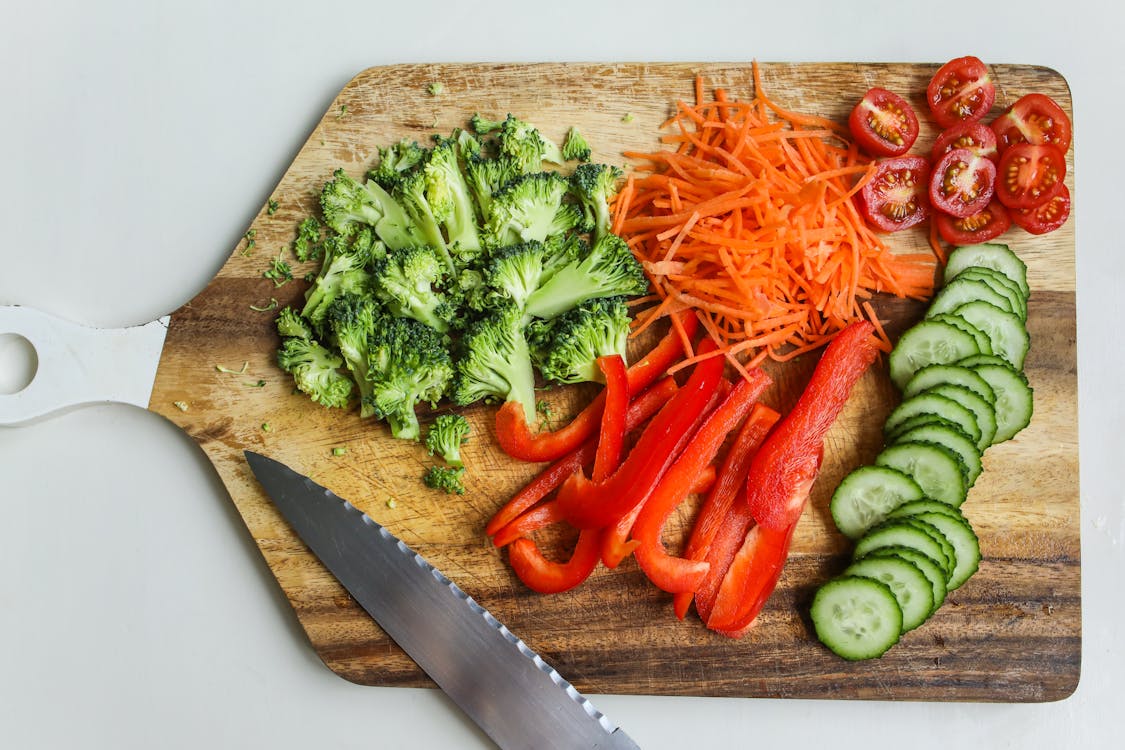
The fermentation process is what separates koso from a standard juice or smoothie. Raw fruits, vegetables, mushrooms, and seaweeds are layered with sugar and left to ferment naturally over several months to a year.
During that time, lactic acid bacteria — including strains like Lactobacillus plantarum and Lactobacillus casei — break down the plant matter. This produces three categories of beneficial compounds:
- Probiotics: Live beneficial bacteria that support gut flora diversity
- Prebiotics: Dietary fibre and galactooligosaccharides that feed existing gut bacteria
- Postbiotics: Short-chain fatty acids and organic acids produced during fermentation
The extended fermentation period is the key difference. A juice gives you vitamins. A koso drink gives you vitamins plus the microbial ecosystem that helps your body actually absorb them.
In Japanese, the process is sometimes called "hakko" — natural fermentation driven by wild and cultured bacteria rather than industrial shortcuts. Every batch develops its own microbial signature based on the ingredients used and the season they were harvested. That biological complexity is exactly what makes a koso drink more than the sum of its parts.
7 Reasons to Add a Koso Drink to Your Daily Routine

1. Probiotics, Prebiotics, and Postbiotics in One Glass
Most fermented drinks deliver one or two of these. Koso delivers all three. Probiotics introduce beneficial bacteria to your gut. Prebiotics feed the bacteria you already have. Postbiotics — the metabolic byproducts of fermentation — provide direct anti-inflammatory and immune-supporting benefits.
A study published by Stanford Medicine (2021) confirmed that a diet rich in fermented foods increases gut microbiome diversity and reduces markers of inflammation. A 2024 review in Nature Reviews Gastroenterology & Hepatology reinforced these findings, noting that postbiotics specifically may benefit metabolic and immune function.
This matters more than most people realise. Your gut microbiome influences digestion, immunity, skin health, and even mood. A daily koso drink covers all three bases without requiring separate supplements for each.
2. Broad-Spectrum Micronutrients Without a Pill Bottle
Because koso is made from 100+ different whole ingredients, it naturally contains a wide range of micronutrients. We are talking vitamins A, B1, B2, B6, C, D, E, and K. Minerals including calcium, magnesium, iron, zinc, and potassium. Plus 17 or more amino acids.
You would need a fistful of supplements to replicate what a single serving of koso provides. And the fermentation process makes those nutrients more bioavailable — easier for your body to absorb — than they would be from raw produce alone.
3. Gentler Than a Raw Juice Cleanse
Juice cleanses flood your system with sugar and strip out the fibre. They can leave you jittery, hungry, and crashing by mid-afternoon.
Koso takes a different approach. The fermentation process pre-digests much of the sugar content, while the prebiotics and fibre support steady energy. If you are considering a reset, a koso cleanse tends to be easier on your system than a raw juice fast.
For a lower-sugar option, the R's KOSO Lower Sugar Postbiotic Drink reduces sugar from 9.3g to 2.7g per 15ml serving — a meaningful difference if you are watching your intake.

4. Early Research Points to Cholesterol and Inflammation Support
Japanese researchers have studied koso's effects on metabolic markers. Early findings suggest that regular consumption may help reduce LDL cholesterol and inhibit COX-2, an enzyme associated with inflammation (R's KOSO, 2024).
The science is still young. But the direction is consistent with broader research on fermented foods and cardiovascular health. A koso drink is not a cure — it is a daily habit with compounding benefits over time.
5. Naturally Rich in Enzymes and Antioxidants
The word "koso" literally means enzyme. And the drink lives up to its name. The year-long fermentation produces a concentrated source of digestive enzymes that support the breakdown of food in your gut.
Add in polyphenols from the dozens of fruits and vegetables in the blend, and you get meaningful antioxidant activity. Polyphenols help neutralise free radicals — unstable molecules that contribute to ageing and chronic disease.
6. Fits Fasting, Cleanses, and Everyday Rituals
Koso is flexible. You can use it as a daily morning tonic — two tablespoons in sparkling water. You can build a structured one-day or three-day cleanse around it. Or you can add it to smoothies, pour it over yoghurt, or mix it into salad dressings.
In Japan, koso is particularly popular among people who practise intermittent fasting. The concentrated nutrients help maintain energy during fasting windows without breaking ketosis.
7. A Flavour You Will Actually Look Forward To
Here is the honest truth about most wellness drinks: they taste like obligation.
Koso does not. The long fermentation creates a naturally sweet, tangy, slightly complex flavour — similar to a concentrated plum juice with undertones of vinegar and dark fruit. Mixed with sparkling water, it becomes something you genuinely want to drink on a warm morning.
That matters. The best wellness habit is the one you actually keep. And a koso drink you look forward to is one you will actually make every morning.

Koso Drink Nutrition Facts at a Glance
Knowing what is in your glass matters. Here is a per-serving breakdown for the two most common versions of commercial koso.
| R's KOSO Regular (15ml) | R's KOSO Lower Sugar (15ml) | |
|---|---|---|
| Calories | 38 | ~15 |
| Sugar | 9.3g | 2.7g |
| Carbohydrates | 10g | ~4g |
| Fat | 0g | 0g |
| Protein | 0g | 0g |
Key takeaway: A standard 2-tablespoon (30ml) serving of regular koso contains about 76 calories and 18.6g of sugar. That sounds high until you remember this is a concentrate made from 100+ whole fruits and vegetables, not added refined sugar. The lower-sugar version uses erythritol — a natural sugar alcohol — to cut that number by over 70% without sacrificing the fermented benefits.
Both versions are vegan, gluten-free, non-GMO, and free of artificial preservatives. The fermentation process itself acts as a natural preservative.
When to Drink Koso for the Best Results
There is no single "right" time. But context shapes results.
- Morning, empty stomach: Best for nutrient absorption and gut support. Most Japanese koso drinkers choose this window.
- After a heavy meal: The digestive enzymes help your body process rich or high-volume food. Common practice in Japan after dinner.
- During a fasting window: The concentrated nutrients maintain energy without breaking a fast (though the calories technically do — consult your fasting protocol).
- Before bed: Some users report better digestion overnight. The low caffeine content makes it safe for evening use.
Frequency matters more than timing. A single daily serving is the baseline. During a structured cleanse, that increases to multiple servings replacing meals over one to five days.
How a Koso Drink Compares to Kombucha and Apple Cider Vinegar
Koso, kombucha, and apple cider vinegar are all fermented. But the similarities mostly end there. Here is how they stack up on the things that matter.
| Koso | Kombucha | Apple Cider Vinegar | |
|---|---|---|---|
| Base ingredients | 100+ fruits, vegetables, mushrooms, seaweeds | Tea + sugar + SCOBY | Apple juice + acetic acid bacteria |
| Fermentation time | 3–12 months | 7–14 days | 1–3 months |
| Probiotics | Yes (multiple Lactobacillus strains) | Yes (varies by batch) | Minimal in pasteurised; some in raw |
| Prebiotics | Yes | Minimal | Minimal |
| Postbiotics | Yes (short-chain fatty acids) | Some | Yes (acetic acid) |
| Sugar per serving | 9.3g (regular) / 2.7g (lower sugar) | 2–12g (varies widely) | <0.1g |
| Taste | Sweet-tart, plum-like, complex | Fizzy, sour, fruity | Sharp, vinegary, intense |
| Format | Concentrated syrup (dilute before drinking) | Ready to drink | Liquid (dilute or use as shot) |
The biggest advantage of koso over both alternatives is ingredient diversity. Kombucha starts with tea. ACV starts with apples. Koso starts with an entire garden. That wider base translates to a broader nutrient and microbial profile.
The trade-off is convenience. Kombucha is grab-and-go. ACV is a quick shot. A koso drink requires a moment of preparation — measure, pour, mix. But that small ritual is part of the appeal.
If you have tried kombucha and liked the idea but not the taste, or if ACV is too harsh for you, a koso drink is worth exploring. The flavour is smoother, more complex, and easier to enjoy daily.
How to Serve Koso at Home
The standard serving is simple: two tablespoons of koso concentrate mixed with half a cup of sparkling water. Stir, sip, done.
But there is more you can do with it. Here are five ways to work koso into your day:
- Morning tonic: Koso + sparkling water + a squeeze of fresh lemon. Drink it first thing on an empty stomach.
- Smoothie base: Add a tablespoon to your morning smoothie for a fermented kick.
- Over yoghurt: Drizzle koso over plain yoghurt with granola for a probiotic double-hit.
- Salad dressing: Whisk koso with olive oil, rice vinegar, and a pinch of salt.
- Afternoon pick-up: Koso + cold still water + fresh mint. Better than a second coffee.
Summer Koso Recipes Worth Trying
Warm weather makes koso even more versatile. The sweet-tart concentrate pairs naturally with ice and fresh seasonal ingredients.
- Koso spritzer: 2 tbsp koso + sparkling water + ice + a sprig of fresh basil. Serve in a tall glass.
- Frozen koso pops: Mix koso with coconut water, pour into moulds, and freeze. A gut-friendly afternoon treat.
- Koso mocktail: 1 tbsp koso + 1 tbsp fresh lime juice + sparkling water + muddled cucumber. Serve over ice with a lime wheel.

A good serving vessel makes the ritual feel intentional. The Rugueux Stoneware Carafe in Pearl is handcrafted in Vietnam with an organic texture that feels right for a slow morning pour.

For mixing and serving, the Emily Glass Pitcher with Rattan-Wrapped Handle holds enough for a full batch of koso spritzers. The rattan handle keeps the pour comfortable even when the pitcher is full of ice.

If you enjoy building a broader wellness ritual around your morning drink, consider pairing koso with a Japanese tea. Hojicha Gold Tea is roasted, low in caffeine, and has a nutty warmth that complements the sweet-tart profile of koso beautifully.

Japan has a long tradition of pairing fermented foods with tea. In the same way that France built a culinary identity around artisan craftsmanship — a story we explored in our guide to Laguiole knives and French craftsmanship — Japan built one around fermentation and tea. Koso fits naturally into that lineage.
How to Start Your Own Fermentation Ritual
Making koso at home is straightforward, though it requires patience. The basic method uses a 1:1 ratio of sugar to fresh fruit by weight, left to ferment at room temperature for one to three weeks.
Here is a simplified version to get you started:
- Choose 2–3 seasonal fruits — strawberries, citrus, and apples work well
- Slice the fruit and layer it with an equal weight of white sugar in a clean glass jar
- Stir the mixture once daily with a clean wooden spoon
- After 7–14 days, the sugar will dissolve and the liquid will bubble gently
- Strain out the solids and refrigerate the syrup
The result is a simple fruit koso — lighter than the commercial 100-ingredient version, but a genuine introduction to the fermentation process. The technique is similar to Korean cheong, which uses the same sugar-to-fruit ratio and layering method (Revolution Fermentation, 2024).
For equipment, a purpose-built fermentation kit makes the process cleaner and more reliable. The ChouAmi Kit comes with a 1-litre Le Parfait jar and a device that manages gas release during fermentation. It is designed for small-batch projects exactly like this.

Once your koso syrup is ready, you will need bottles for storage. Le Parfait Bottles are 100% recyclable glass with swing-top lids that seal properly — important for any fermented product.

Worth knowing: home koso uses far fewer ingredients than commercial versions. The 100+ ingredient blends you find in products like R's KOSO take up to a year to ferment and require professional-grade processes. A home batch is a wonderful starting point, but it will not replicate the full nutrient complexity of a year-long ferment.
Side Effects and Who Should Be Careful
Koso is a whole-food product with a long safety record in Japan. It is vegan, gluten-free, and free of artificial preservatives. Most people tolerate it well.
That said, a few things worth noting:
- Sugar content: The regular version contains 9.3g of sugar per 15ml. If you are managing blood sugar, start with the lower-sugar version or limit your serving size.
- Digestive adjustment: Introducing any new probiotic source can cause mild bloating or gas in the first few days. Start with a half serving and increase gradually.
- Allergies: Commercial koso contains dozens of plant-based ingredients. Check the full ingredient list if you have known food allergies or sensitivities.
- Pregnancy and breastfeeding: Koso is made from natural, plant-based ingredients with no alcohol. However, consult your doctor before adding any new fermented product to your routine during pregnancy.
Koso is not a medicine and is not intended to diagnose, treat, or cure any condition. Think of it as a nutrient-dense addition to a balanced diet — not a replacement for medical advice.
The Bottom Line
A koso drink is one of the simplest, most nutrient-dense additions you can make to your daily routine. It delivers gut-supporting probiotics, prebiotics, and postbiotics in a single concentrated serving. The flavour is genuinely enjoyable. And the ritual of preparing it — measure, pour, stir — sets a tone for the day.
Three things worth remembering:
- Koso is a fermented concentrate made from 100+ whole ingredients — not a juice, not a supplement
- It provides all three "biotics" (pre, pro, and post) that your gut microbiome needs
- Start with a commercial version to understand the flavour, then experiment with making your own
Simple as that.
Browse our Tea & Coffee collection →
Frequently Asked Questions
What is a koso drink?
A koso drink is a traditional Japanese fermented beverage made from 100+ fruits, vegetables, seaweeds, and mushrooms. The ingredients are layered with sugar and fermented for up to a year. The result is a concentrated syrup rich in probiotics, prebiotics, postbiotics, and digestive enzymes. You dilute it with water before drinking.
What are the health benefits of koso?
Koso supports gut health by delivering probiotics, prebiotics, and postbiotics in a single serving. It contains broad-spectrum micronutrients including vitamins A through K, essential minerals, and 17+ amino acids. Early Japanese research also suggests it may help reduce LDL cholesterol and inflammation markers over time.
How do you drink koso?
Mix two tablespoons of koso concentrate with half a cup of sparkling or still water. Drink it in the morning on an empty stomach for best absorption. You can also add it to smoothies, drizzle it over yoghurt, or use it as a base for salad dressings and summer mocktails.
What is the difference between koso and kombucha?
Kombucha is brewed from tea and sugar using a SCOBY culture over 7–14 days. Koso is made from 100+ whole ingredients fermented for 3–12 months. Koso delivers a broader nutrient profile and includes prebiotics and postbiotics that kombucha typically lacks. Koso is also a concentrate you dilute, while kombucha is ready to drink.
Is koso drink safe during pregnancy?
Koso is made entirely from natural, plant-based ingredients with no alcohol. However, it is a fermented product, and individual responses vary. If you are pregnant or breastfeeding, consult your doctor before adding koso or any new supplement to your routine.
Does koso help with weight loss?
Koso is popular among people who practise intermittent fasting and periodic cleanses. Its concentrated nutrients help maintain energy during fasting windows. Research on fermented foods broadly supports a link between gut microbiome diversity and healthy weight management, though koso itself is not a weight-loss product.
Can you make koso at home?
Yes. A basic fruit koso uses a 1:1 ratio of sugar to fresh fruit by weight, stirred daily and fermented at room temperature for one to three weeks. The result is a simpler version of the 100-ingredient commercial blends, but it is a genuine introduction to the fermentation tradition. You will need a clean glass jar, a stirring tool, and patience.
How many calories are in a koso drink?
A standard 15ml serving of regular R's KOSO contains about 38 calories and 9.3g of sugar. The lower-sugar version drops sugar to 2.7g per serving using erythritol. Both are zero fat and zero protein. A typical daily serving of 30ml in sparkling water comes to roughly 76 calories.
Does koso have side effects?
Most people tolerate koso well. Some experience mild bloating or gas when first introducing it, which typically resolves within a few days. People managing blood sugar should opt for the lower-sugar version. Check the ingredient list for potential allergens, as commercial koso contains dozens of plant-based ingredients.


